
Many DIYers and workshop pros know the feeling: you grab a spray can, start painting, and end up with runs, orange peel, or a finish that feels soft and chips easily. Rattle cans are convenient. But when you need better results, lower long-term costs, and more versatility, it's time to consider a professional cordless spray gun.
Here are five real-world scenarios where a cordless HVLP sprayer wins every time.
1. Large Surface Projects — Save Your Finger (and Your Sanity)
One of the biggest drawbacks of spray cans is the tiny nozzle button. Try painting a cabinet door, a tabletop, or a car bumper, and your index finger will start cramping within minutes. Worse, as the can pressure drops, the spray pattern becomes uneven — leading to splatters, orange peel, and runs.
Why a cordless spray gun wins:
-
Ergonomic trigger design — comfortable for extended use
-
Consistent atomization from start to finish — no pressure drop midway
-
Large 800–1200ml cup capacity — cover big areas without constant refills
Ideal projects: Refinishing old furniture, painting interior walls, coating an off-road bumper or skid plate.
2. Professional-Grade Finish — Not Just "Good Enough"
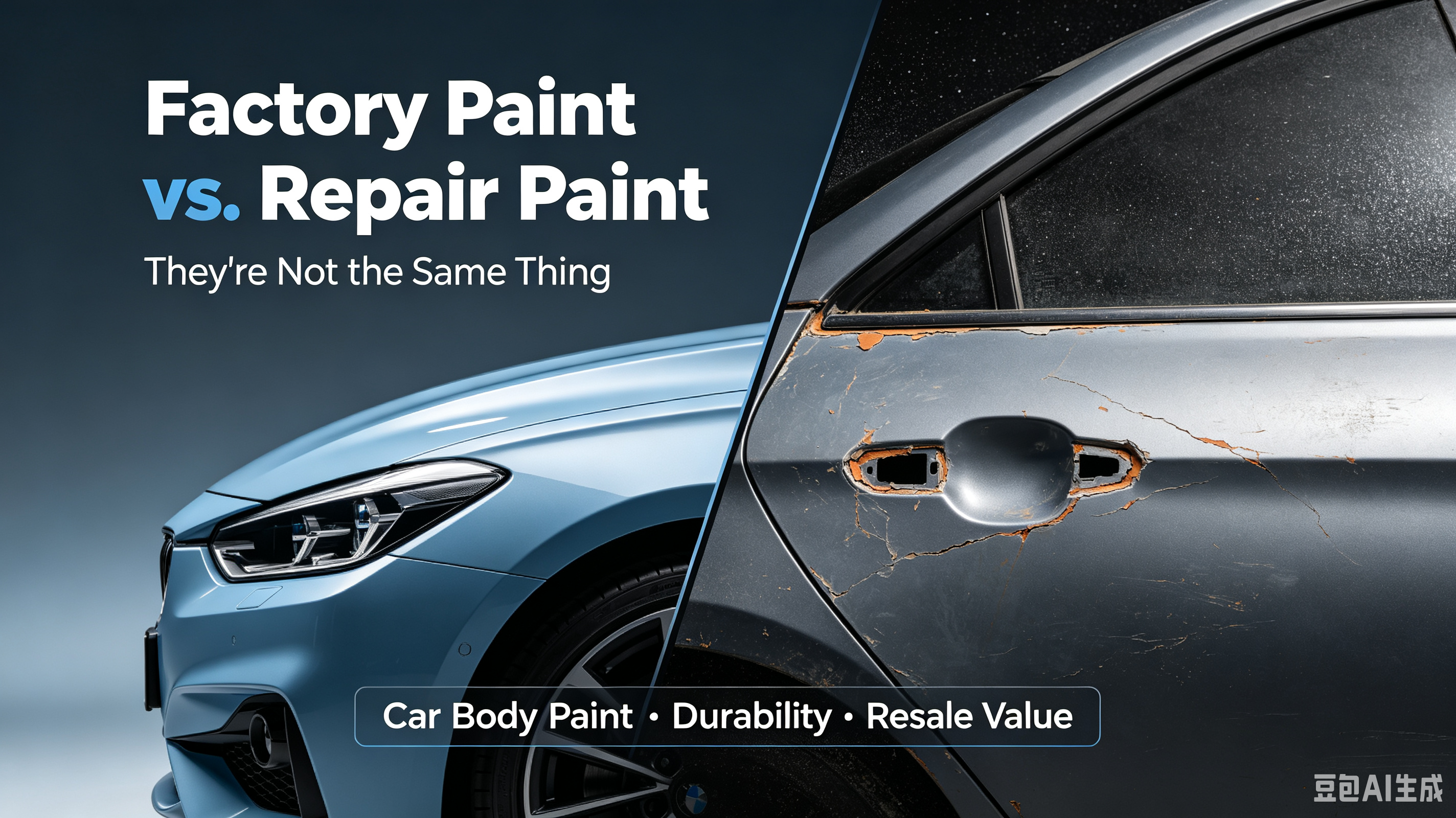
Spray paints have improved, but they still don't deliver the hardness, gloss, or durability of professional coatings. Many users report that spray can finishes are softer and less resistant to scratches and chemicals.
Why a cordless spray gun wins:
-
Use automotive-grade paints, 2K polyurethane, high-solids industrial coatings — not just what fits in a can
-
HVLP (High Volume Low Pressure) technology delivers 65–90% transfer efficiency — far better than the 20–30% typical of aerosol cans. That means less overspray, more paint on the surface, and a smoother finish
-
Adjustable flow control and 3 spray patterns (vertical, horizontal, circular) let you match the spray to the shape of the workpiece
Ideal projects: Automotive wheel refinishing, roll cage painting, rust-inhibiting primer application on metal parts.
3. Lower Cost Over Time — The Math Might Surprise You
Here's a counterintuitive truth: aerosol cans are the most expensive paint option if you paint frequently.
One DIY enthusiast calculated that he spent £430 (approximately $540 USD) on rattle cans in a single year — just for small metal parts. When you compare cost per gallon, spray cans can be 3–5 times more expensive than bulk paint.
Why a cordless spray gun wins:
-
Buy bulk paint by the quart or gallon — much lower unit cost
-
Mix your own colors — no limitations to pre-mixed can colors
-
One-time equipment investment ($200–500 range) pays for itself after just a few projects
-
Less paint waste — higher transfer efficiency means less overspray and more usable coverage
4. Work Anywhere — No Power Outlet, No Compressor Needed
Cordless spray guns share the same benefit as rattle cans: no power cord required. But they go far beyond what a spray can can deliver when you need quality and efficiency on site.
Most 20V-platform cordless sprayers are compatible with popular battery systems like Makita 18V, Bosch Blue, or DeWalt. With a single charge, you get 20+ minutes of continuous runtime — enough for most medium-sized projects.
Why a cordless spray gun wins:
-
Take it to the garage, driveway, job site, or even out on the trail
-
No extension cords, no noisy compressor, no waiting for air pressure to build
-
Battery compatibility — use the same batteries you already own for other tools
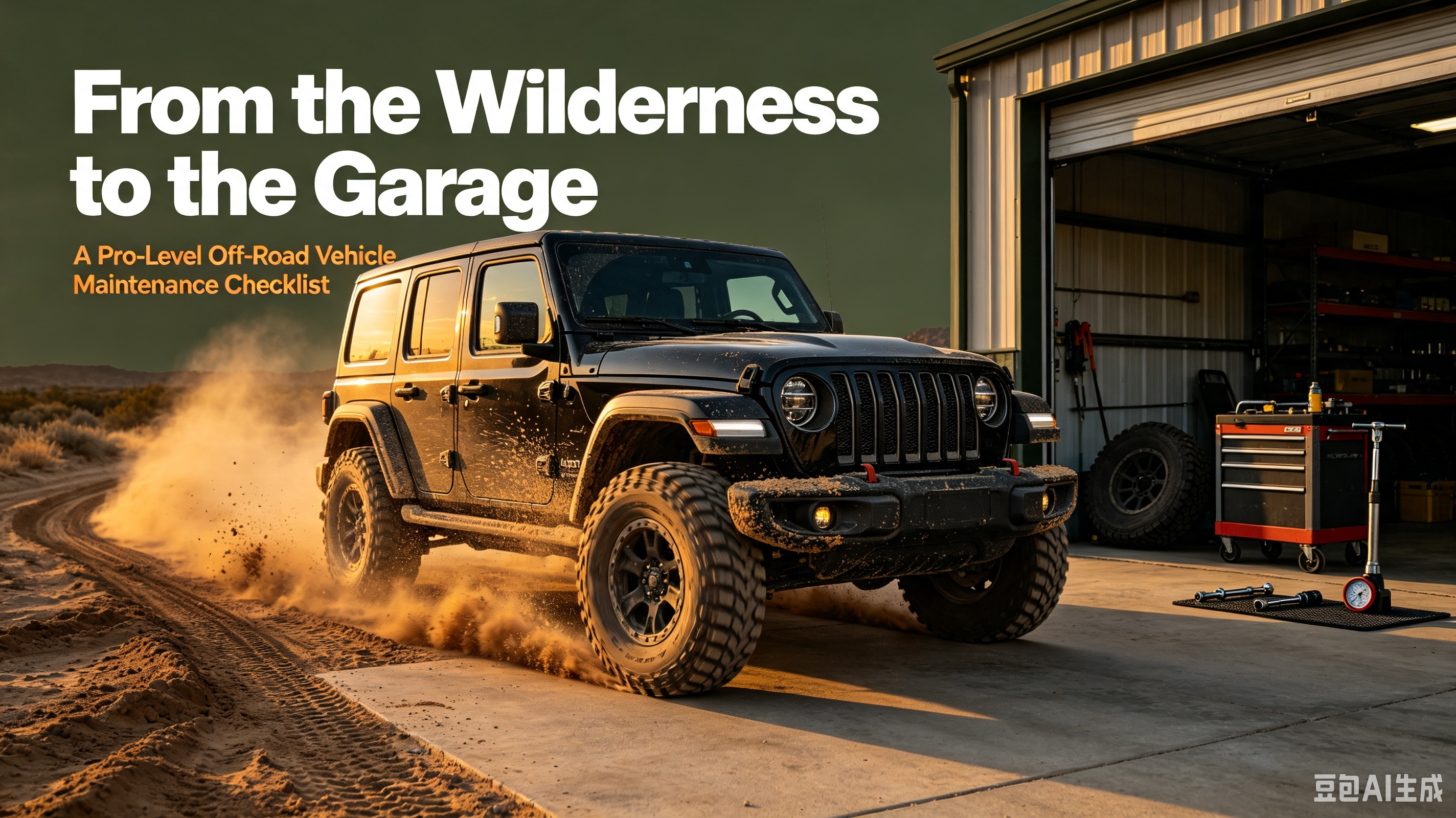
Ideal projects: Off-road vehicle touch-ups, fence staining, outdoor furniture refinishing, on-site repairs.
5. Full Control Over Paint Selection and Customization
With spray cans, you're limited to whatever is pre-packaged. Want a custom color match? Need a specific sheen level? Looking for industrial-grade rust protection? You're out of luck with aerosols.
Why a cordless spray gun wins:
-
Use any paintable coating that can be thinned to the right viscosity
-
Match factory colors for automotive or equipment repairs
-
Choose from epoxies, primers, clear coats, textured coatings, rubberized undercoating — endless options
-
Fine-tune flow rate and fan width for each specific coating type
Quick Comparison: Rattle Can vs. Cordless Spray Gun
| Factor | Spray Can | Cordless Spray Gun |
|---|---|---|
| Upfront cost | Low ($5–20/can) | Higher ($200–500 for equipment) |
| Long-term cost | High (expensive per volume) | Low (bulk paint is cheaper) |
| Finish quality | Average (prone to orange peel) | Professional (smooth, durable) |
| Efficiency (large areas) | Low (finger fatigue, frequent reloads) | High (large cup, steady output) |
| Paint options | Limited (pre-mixed only) | Unlimited (any paintable coating) |
| Outdoor use (no power) | ✅ Yes | ✅ Yes (20+ min runtime) |
| Learning curve | Minimal (shake and spray) | Moderate (setup, cleaning, tuning) |
Final Verdict
Reach for a spray can when:
-
You're doing a small touch-up or one-off project
-
You only need a quick fix with minimal cleanup
-
Finish quality and durability are not critical
Upgrade to a cordless spray gun when:
-
You're painting large surfaces or multiple projects
-
You want a professional, long-lasting finish
-
You care about cost efficiency over time
-
You need to work outdoors, off-grid, or away from power outlets
-
You want the freedom to use custom paints and coatings
If you're already invested in a 18V or 20V cordless platform, adding a professional cordless spray gun to your toolkit might be the single upgrade that takes your projects from "good enough" to flawless.